
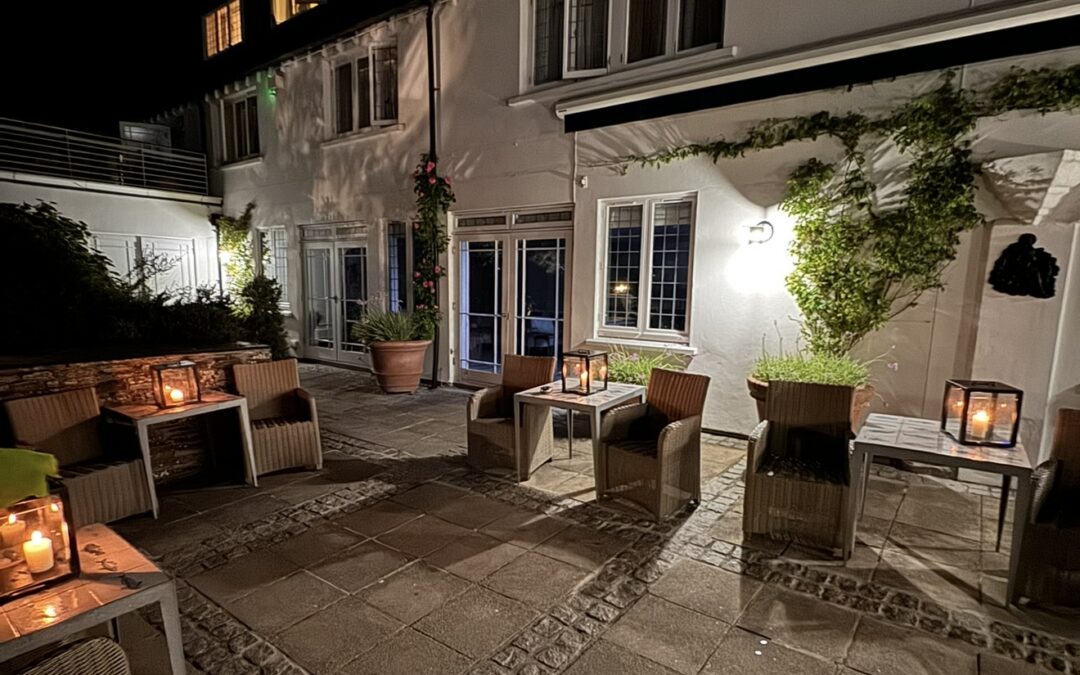
Some holidays are remembered for the places we visit. Others begin long before we see the first landmark. They begin in that quiet first hour, when excitement finally replaces routine and the world starts to feel just a little larger.
Every journey has a beginning
There is a moment on every holiday when ordinary life quietly slips away.
It is rarely dramatic.
It might happen as the airport doors slide open into warm air after hours of travelling. It could be the first glimpse of mountains from a taxi window, the sound of waves beyond a hotel reception, or the simple act of placing a suitcase on the floor of a room that, for a few precious days, will become home.
Most travellers rush through these moments without realising they are creating the memories they will later treasure most.
The first hour of a holiday does something remarkable. It gently recalibrates the mind. Emails lose their urgency. Deadlines become distant thoughts. Familiar routines dissolve, replaced by curiosity and possibility.
The destination matters, of course, but the feeling of arriving often stays with us far longer than the itinerary itself.
Airports become places of possibility
Airports are often criticised for queues, security checks and delays, yet they possess a unique atmosphere unlike anywhere else.
Every departure lounge holds hundreds of different stories unfolding at once.
Families heading towards long-awaited reunions.
Couples celebrating anniversaries.
Friends embarking on adventures they have planned for months.
Solo travellers chasing experiences they cannot yet imagine.
For a few hours, everyone shares the same anticipation.
Perhaps that is why airports have a strange ability to make even an ordinary coffee feel significant. Sitting beside the window watching aircraft taxi towards the runway is no longer simply waiting. It becomes part of the ritual.
The journey has officially begun.
The drive from the airport is never just transport
Ask experienced travellers about their favourite memories and many won’t mention museums or famous landmarks first.
Instead they’ll remember the drive to the hotel.
The unfamiliar road signs.
The architecture.
Palm trees replacing oak trees.
Mountains appearing unexpectedly in the distance.
Children playing outside cafés late into the evening.
Even traffic feels different because every detail is new.
These first impressions quietly shape our expectations before we’ve even unpacked.
They’re the opening chapter of every destination.
A hotel room is more than somewhere to sleep
Few experiences capture the excitement of travel quite like opening the door to a hotel room for the first time.
There is always a tiny pause.
Will the photographs have done it justice?
Will the view be even better than expected?
Will this become one of those rooms remembered years from now?
Suitcases remain unopened while curtains are drawn back.
Balcony doors swing open.
Fresh air replaces conditioned air.
For a brief moment, every traveller becomes an explorer again.
The room is no longer simply accommodation.
It is the place where sleepy mornings begin, where conversations continue late into the evening, where photographs are sorted, plans are made and memories quietly accumulate.
The unpacking ritual
Some people live from their suitcase.
Others unpack every item into wardrobes within minutes.
Neither approach is wrong.
Yet unpacking represents something surprisingly important.
It tells the brain that this place is no longer temporary.
This is home, if only for a little while.
Clothes find drawers.
Toothbrushes appear beside unfamiliar sinks.
Books rest on bedside tables.
The room slowly transforms from someone else’s space into your own.
It is a simple ritual, but one that makes even a short stay feel wonderfully settled.
The first walk is always unforgettable
There is usually an irresistible urge to head outside immediately.
Not to follow a guidebook.
Not to tick attractions off a list.
Simply to wander.
These first walks rarely cover great distances.
Instead, they awaken the senses.
The aroma drifting from a nearby bakery.
The rhythm of conversations in another language.
Music spilling onto narrow streets.
The warmth of evening sunlight reflecting from old stone buildings.
Nothing is familiar.
Everything feels worth noticing.
Ironically, these aimless walks often become the moments remembered most vividly years later.
The luxury of slowing down
Modern travel often encourages us to maximise every minute.
Early alarms.
Packed itineraries.
Reservations carefully timed.
Landmarks photographed before moving immediately to the next.
Yet the finest holidays rarely begin with rushing.
They begin with slowing down.
Sitting on a balcony with no agenda.
Watching boats drift across a harbour.
Ordering a coffee simply because the café feels inviting.
Listening.
Observing.
Allowing a destination to reveal itself naturally rather than racing to consume it.
Travel rewards patience far more often than speed.
Why arrival shapes everything that follows
Psychologists often describe the importance of first impressions.
Destinations are no different.
The emotions experienced during those opening moments subtly influence the way we perceive everything afterwards.
A calm arrival encourages curiosity.
A relaxed first evening often leads to a more enjoyable holiday overall.
When we allow ourselves to appreciate the beginning rather than rushing towards tomorrow’s plans, the entire journey feels richer.
Perhaps that’s because holidays aren’t really collections of attractions.
They’re collections of moments.
And the first ones matter most.
Creating your own arrival ritual
Every seasoned traveller eventually develops small traditions.
They might always order a local coffee before checking maps.
Always unpack completely.
Always watch the sunset on the first evening.
Always walk without directions for thirty minutes.
These rituals create familiarity while allowing each destination to remain unique.
They remind us that travelling isn’t only about reaching somewhere new.
It’s about becoming present enough to notice it.
Final thoughts
The world encourages us to move quickly.
Travel quietly asks us to do the opposite.
The first hour of every holiday offers something increasingly rare.
Permission to pause.
To breathe.
To notice.
To leave behind the familiar and step gently into somewhere entirely different.
Years from now, you may struggle to remember the opening times of museums or the names of every restaurant you visited.
But you’ll remember opening the curtains.
You’ll remember that first breath of unfamiliar air.
You’ll remember the quiet excitement of realising that, for the next few days, the world had become wonderfully unfamiliar.
And perhaps that is the true art of arriving.